

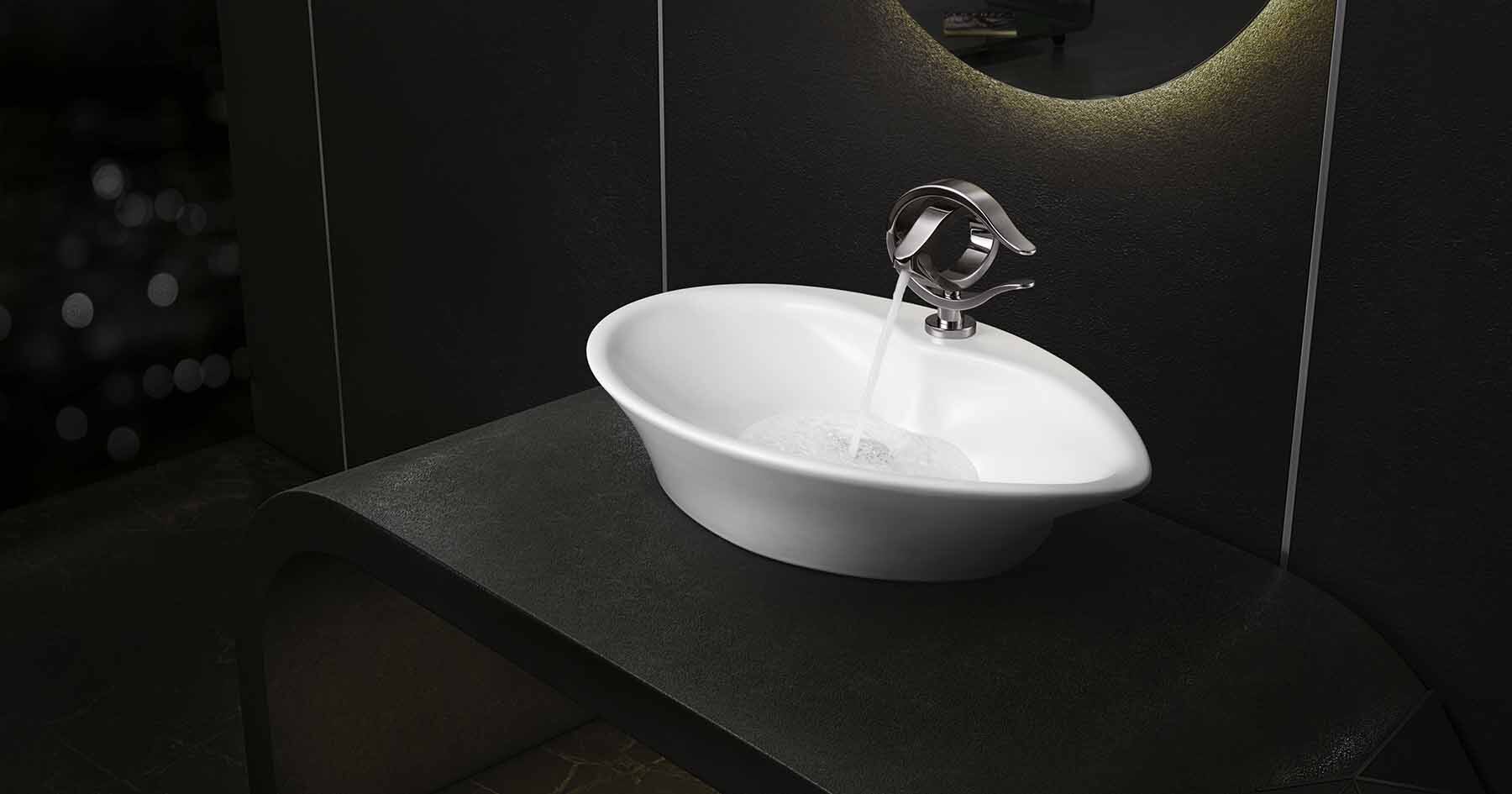
Walk into any well-designed bathroom or kitchen, and you'll never spot one, but it's doing quiet, essential work under every basin and sink. A bottle trap for wash basin installations is the unsung hero of good plumbing: it keeps your home smelling fresh, stops your pipes from clogging, and does all this while looking sleek enough to belong in bespoke interiors.
If you've ever wondered what that curvy fitting beneath your sink actually does, here's a proper breakdown of how a bottle trap works and where it's used.
How Does a Bottle Trap Actually Work?
The whole point of a bottle trap is deceptively simple: it holds back sewer gas while letting wastewater flow through freely. Named for its rounded, bottle-shaped body, it manages to do this without taking up much space or disrupting the look of your fittings.
Water Seal: At the base of the trap, a small amount of water sits permanently, forming a barrier between your living space and the sewer line. Without this seal, foul odours would drift straight up through the drain. It's a small mechanical trick, but it's the reason your bathroom doesn't smell like a sewer.
Debris Collection: Hair, soap scum, and food bits- all of it gets caught in the trap's body instead of travelling further down the pipe and causing a blockage. This feature is especially handy in a kitchen sink bottle trap, where grease and food waste build up fast and a clog can mean a flooded countertop.
Easy Maintenance: This is where a bottle trap really earns its keep. Unlike a P-trap or S-trap, which usually needs a wrench and some patience, most bottle trap for sink models can be opened by hand; just unscrew the lower canister and clear it out.
Bottle trap dimensions are compact by design, so cleaning takes minutes rather than turning into a whole afternoon project.
Where Are Bottle Traps Used?
Bottle traps show up almost anywhere there's a basin, sink, or drain that needs protecting, but a few spaces make especially good use of them.
Bathrooms
Tucked beneath basins, bottle traps keep the air fresh and stop hair and soap residue from building up in the pipework. Many homeowners now go for a bottle trap chrome finish specifically because it matches modern tapware and doesn't look out of place even in an open, exposed installation.
Kitchens
Under the sink is where a bottle trap does its heaviest lifting. Food scraps, oil, and detergent all pass through here daily, and a solid kitchen sink bottle trap stops that debris from turning into a stubborn clog.
For this reason, a stainless steel bottle trap is often the preferred choice in kitchens; it resists corrosion, handles hot water and grease well, and lasts far longer than cheaper alternatives.
Utility Areas
Laundry rooms and wash areas deal with a lot of water movement and lint, and a bottle trap keeps things running smoothly without needing constant attention.
Public Restrooms and Commercial Spaces
In high-traffic settings, odour control is essential. Commercial buildings rely heavily on bottle traps to keep restrooms smelling clean throughout the day, and because they're so easy to service, maintenance teams can clear them quickly without shutting facilities down for long.
Concealed Bottle Traps and Installation
For a genuinely seamless look, many people now opt for a concealed bottle trap, which hides the fitting behind a wall or cabinet panel so only the basin appears to float, with no visible plumbing beneath it. It's a popular choice in premium bathroom designs where every visible element is meant to look intentional.
Bottle trap installation itself is straightforward for most standard basins. The trap connects to the waste outlet on one end and the drainpipe on the other, with the canister sitting below for easy access. That said, for wall-mounted basins or concealed setups, it's worth having a plumber handle the fitting to make sure the seal and alignment are exact.
As for the bottle trap price, it varies quite a bit depending on material and finish. Basic plastic versions are the most budget-friendly; chrome-plated ones sit in the mid-range, and a stainless steel bottle trap tends to cost more upfront but pays off in durability, particularly in kitchens or heavy-use bathrooms.
Choose Artize!
Artize, born from the Jaquar Group, brings an artistic sensibility to bathroom fittings that goes well beyond function. Every piece (taps, showerheads, and accessories like the kitchen sink bottle trap) is designed with the kind of detail that turns an everyday routine into something a little more considered. Backed by a 5–10-year warranty, Artize fittings are built to last!
Final Thoughts
A bottle trap isn't much to look at, but it's one of those fittings that quietly holds a home together: no odours, no clogs, no fuss. Whether you're picking a bottle trap for wash basin use, a kitchen sink bottle trap for heavier daily wear, or weighing a stainless steel bottle trap against a chrome finish, the goal stays the same: get the bottle trap dimensions right, keep bottle trap installation clean and precise, and choose a bottle trap price point that matches how hard the fitting will actually work.
Go concealed if you want it invisible, or leave it exposed if a bottle trap with a chrome finish suits your fittings. Either way, a well-chosen trap is the kind of upgrade you only really notice once it's done its job right.
FAQs
Q. Can a bottle trap be used with any sink or basin?
A. Pretty much, yes. Most standard plumbing setups can take a bottle trap, so fitting one under your basin usually isn't an issue.
Q. Where can I get a bottle trap in India?
A. Artize is worth checking out. It's part of the Jaquar Group and has built a solid reputation for well-made, good-looking bottle traps.
Q. Why is a bottle trap preferred over other types of traps?
A. The main reason is convenience. Installing one takes less effort than installing a P-trap or S-trap, and cleaning it is far less of a hassle, which is precisely why so many modern homes go with it.
Q. Are bottle traps used in commercial buildings?
A. They are. You'll find them in homes just as often as in commercial spots like offices and public restrooms.
Q. Can a bottle trap be used with a wall-mounted basin?
A. Definitely. In fact, wall-mounted basins are one of the setups where a bottle trap installation tends to work best.