

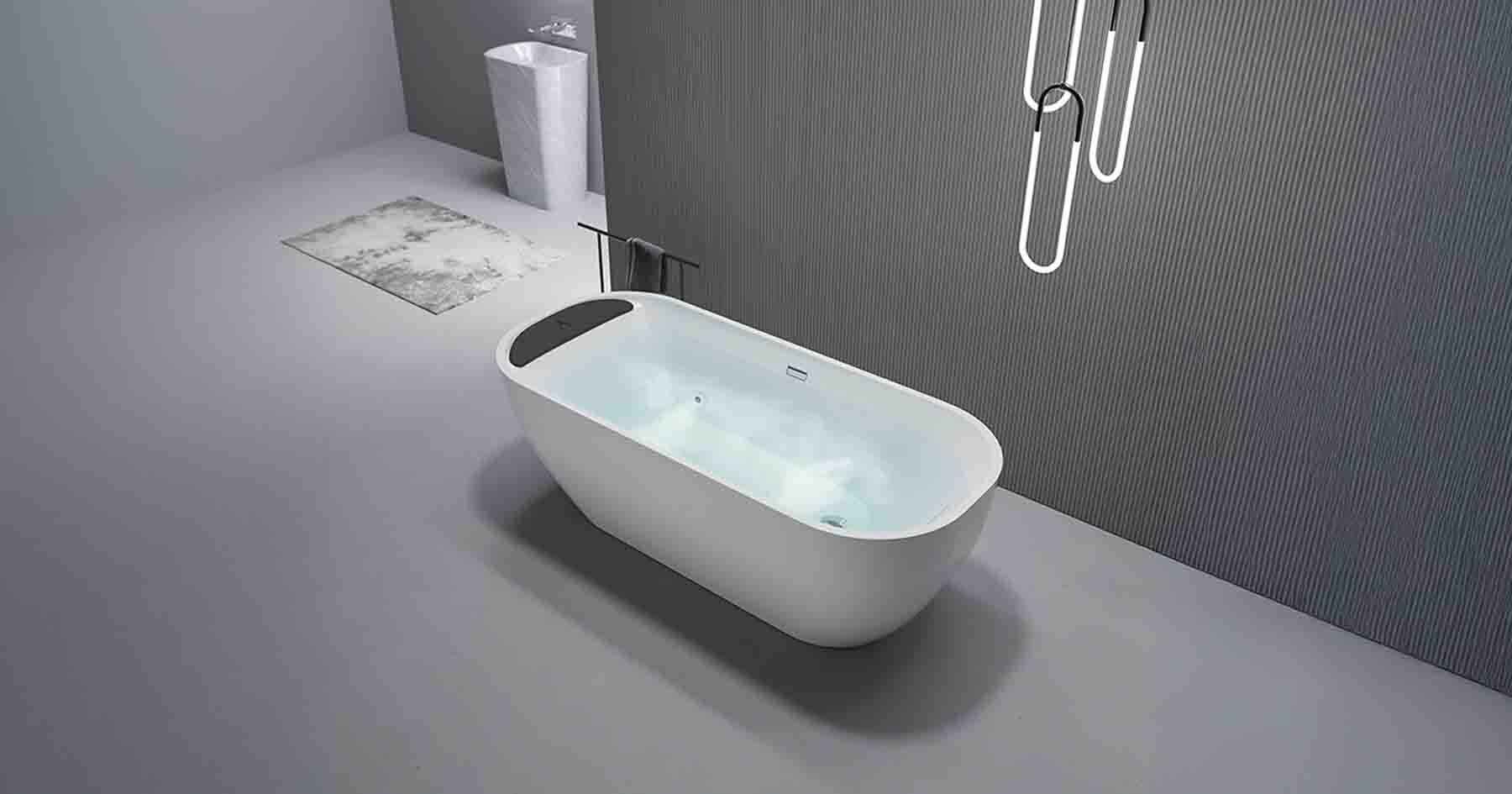
There is a quiet distinction between bathing and rinsing. One is a transaction with time; the other is a return to it. A luxury bathtub does not simply hold water; it holds a pause, a deliberate slowing down that the rest of the day rarely allows. It asks nothing of you except presence: no schedule, no noise, no next task waiting at the door.
Understanding how to use that pause well is less about steps and more about intention: how the water is prepared, how the room is lit, how the body is simply allowed to rest. Artize is drawn from design, craftsmanship, and the quiet architecture of everyday ritual.
Begin with the Room, Not the Water
Before water ever touches the tub, the room should already feel like an invitation. Dim the light. Let steam soften the air. A bathroom with bathtub at its centre works best when the fixture is not crowded by clutter but framed by open space, natural materials, and a single point of visual calm.
This is the architectural thinking that separates a functional wash space from a sanctuary: the tub becomes the room's quiet anchor rather than an afterthought pushed into a corner.
Temperature, Timing, and the Art of Doing Less
A bath is one of the few remaining spaces built for doing nothing at all, and that stillness is precisely where its restorative value lives. Ease in slowly rather than submerging at once: the ritual rewards patience. Once settled, resist the instinct to multitask.
Water at 37°C to 39°C closely mirrors body temperature, so it feels enveloping rather than shocking. Fill the tub roughly two-thirds full, allowing the body's displacement to complete it.
Choosing a Bathtub That Deserves the Ritual
Not every vessel deserves to be called a bath.
Ergonomic Form Over Compromise
A modern bathtub designed with ergonomic curvature supports the spine and shoulders in a way that turns twenty minutes of soaking into genuine recovery rather than a cramped compromise. This is where the freestanding bath distinguishes itself. It's unanchored from walls, sculptural in silhouette, and positioned for experience from every angle rather than concealment.
The Confluence and Tiaara Collections
Artize's Confluence bathtub reflects this thinking with a minimalist, solid-surface form finished to feel closer to a stone bathtub than a manufactured object: smooth, matte, and quietly substantial to the touch.
For those drawn to a more expressive silhouette, the Tiaara collection offers an asymmetric profile with elevated back support, engineered so the body settles into a natural recline rather than a rigid seat. Both integrate drainage and overflow within the shell itself, removing visible plumbing from the visual language entirely. This is a small engineering decision with an outsized effect on how serene the room feels.
Solution for Compact Footprints
For those weighing the best bathtubs for a given footprint, an oval freestanding tub often resolves the tension between compact bathrooms and generous bathing depth, its curvature softening the room's geometry without demanding excessive floor space.
The Standalone Tub as Sculpture
A standalone bathtub of this kind performs a second role beyond bathing. It behaves as a sculpture, holding its presence even when empty.
When the Bathtub Shares the Room with a Shower
Many homes now favour a bathroom with a bathtub and shower coexisting rather than competing, each serving a different rhythm of the day: the shower for efficiency and the tub for retreat.
Designing this coexistence well means giving the bathtub and shower distinct zones, often separated by a half-wall, glass partition, or simple change in flooring material, so neither compresses the other's sense of purpose. Artize's VIC freestanding bathtub, available with an integrated oxypool system, suits this dual arrangement particularly well, offering a therapeutic dimension to the tub side of the room without requiring additional plumbing complexity.
Draining, Drying, and Closing the Ritual
When the bath concludes, rise slowly. Prolonged warm water lowers blood pressure slightly, and standing too quickly can cause light-headedness. Drain the tub fully before stepping out entirely, and finish with a towel warmed nearby if possible; the small gesture extends the sense of care a few minutes further. A bath, done properly, does not end abruptly. It tapers.
Indulge In a Relaxing Bath Ritual With Artize Modern Bathtubs
Artize approaches the bathroom bathtub not as a fixture to be installed but as a piece to be lived with: sculptural, engineered with restraint, and built from the belief that a bathroom can hold as much artistic intention as any other room in the house.
To explore how these forms translate into a space of your own, visit Artize.
FAQs
Q. How long should I stay in the bathtub during a bath?
A. Fifteen to twenty-five minutes is generally enough to relax muscles and lower stress without over-softening the skin or straining the heart with prolonged heat exposure.
Q. What is the ideal time to take a bath in the bathtub?
A. Evenings work well for winding down before sleep, while a shorter, cooler bath earlier in the day can feel more invigorating. The right time depends on the mood you are bathing in.
Q. How do I drain the bathtub after a bath?
A. Most freestanding and built-in tubs from Artize have an integrated pop-up or lever-operated waste mechanism. Simply lift or twist it after you have risen from the water and allow the tub to empty fully before rinsing it down.
Q. How do I prevent slipping in a bathtub?
A. A textured mat or slip-resistant base, a secure grab bar near the entry point, and dry feet before stepping out all reduce risk meaningfully. These small precautions protect the ritual rather than interrupt it.